
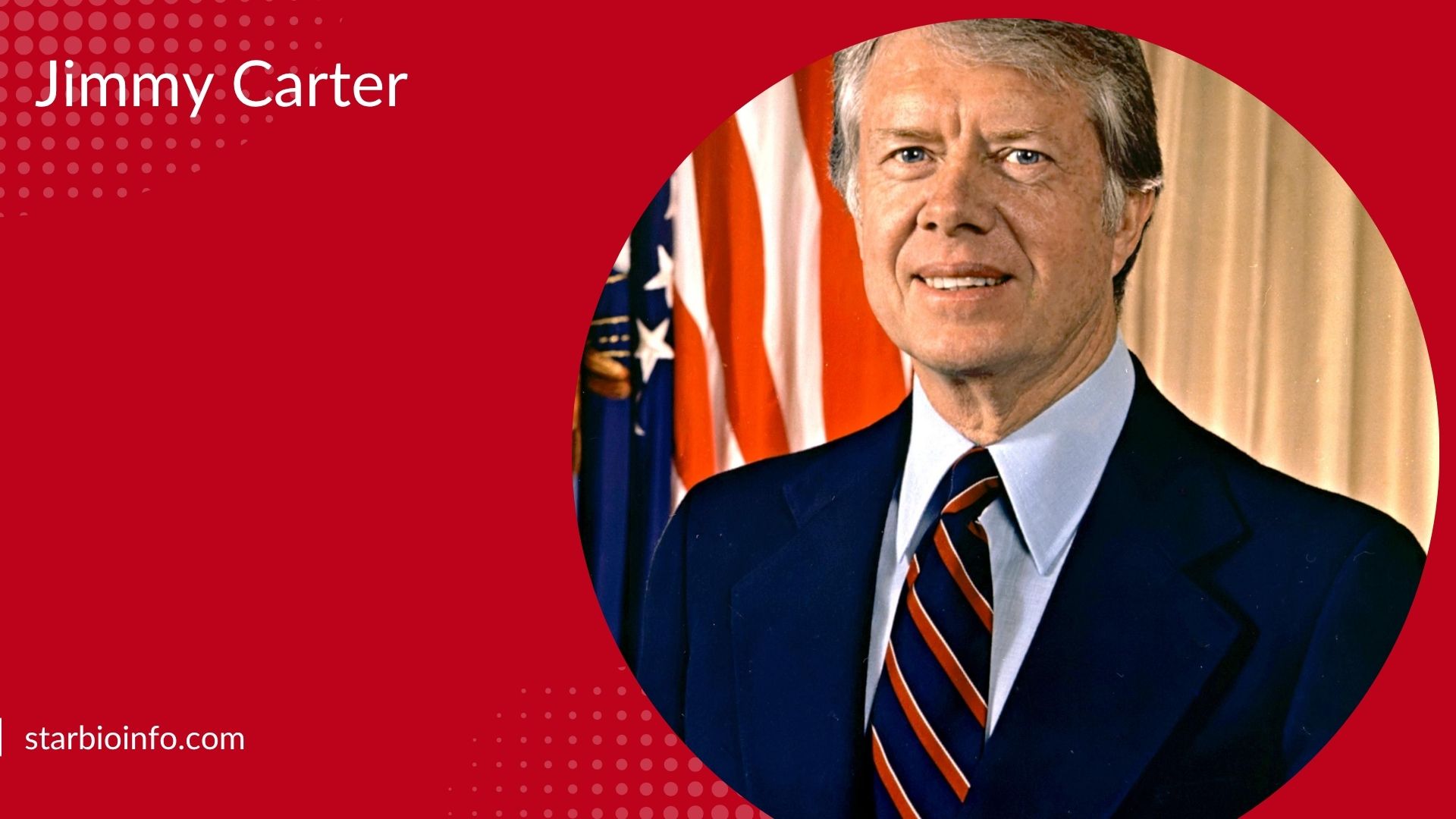
When people discuss the greatest American presidents, conversations often focus on economic achievements, military victories, or political influence. However, Jimmy Carter’s story stands apart from nearly every other leader in modern history. While his presidency remains an important chapter in American politics, his greatest achievements came after he left the White House.
For more than four decades following his presidency, Jimmy Carter dedicated his life to promoting peace, fighting disease, defending human rights, supporting democracy, and helping vulnerable communities around the world. His commitment to service transformed him from a former president into one of the most respected humanitarian figures of the modern era.
From a small peanut farm in rural Georgia to the highest office in the United States and eventually to global humanitarian leadership, Jimmy Carter’s life represents a remarkable journey of perseverance, integrity, and compassion.
Who Was Jimmy Carter?
Jimmy Carter was the 39th President of the United States, serving from 1977 to 1981. Beyond politics, he was an author, philanthropist, Nobel Peace Prize winner, military veteran, and global advocate for human rights.
Unlike many political leaders whose influence fades after leaving office, Carter spent decades building a legacy centered on helping others. His post-presidency activities earned widespread admiration and redefined what it means to be a former world leader.
Quick Facts
| Detail | Information |
|---|---|
| Full Name | James Earl Carter Jr. |
| Known As | Jimmy Carter |
| Born | October 1, 1924 |
| Birthplace | Plains, Georgia, USA |
| Political Party | Democratic Party |
| Presidency | 1977–1981 |
| Spouse | Rosalynn Carter |
| Children | Four |
| Nobel Peace Prize | 2002 |
| Profession | Politician, Author, Humanitarian |
Growing Up in Rural Georgia
Jimmy Carter was born in Plains, Georgia, during a period when much of rural America faced economic hardship. His family operated a peanut farm, and Carter learned the value of hard work from an early age.
Life on the farm shaped his character. He developed a strong sense of responsibility, discipline, and humility—qualities that would later define both his political career and humanitarian efforts.
Unlike many future presidents who came from wealthy or politically connected families, Carter’s roots were firmly grounded in small-town America.
Education and Naval Service
After excelling academically, Carter attended the United States Naval Academy and graduated in 1946.
His military career included service in the U.S. Navy’s nuclear submarine program. Working under renowned Admiral Hyman Rickover helped Carter develop leadership skills, attention to detail, and a commitment to excellence.
Many historians believe his naval training significantly influenced his approach to government and public service.
Entering Politics
Following the death of his father, Carter returned to Georgia to manage the family farm.
His involvement in local community organizations gradually led him into politics.
Early Political Career
| Year | Position |
| 1962 | Georgia State Senator |
| 1970 | Governor of Georgia |
| 1976 | Elected President of the United States |
As Governor of Georgia, Carter promoted government reform, racial equality, and modernization initiatives that increased his national profile.
The Road to the White House
The political climate of the 1970s created an opportunity for outsiders to gain public support.
Following the Watergate scandal and growing distrust of government institutions, voters were searching for honest leadership.
Jimmy Carter successfully presented himself as a trustworthy outsider who promised transparency, accountability, and ethical governance.
His message resonated with Americans, helping him win the 1976 presidential election.
Jimmy Carter’s Presidency
Jimmy Carter took office on January 20, 1977.
His administration focused on:
- Human rights
- Government transparency
- Energy reform
- International diplomacy
- Environmental conservation
Although his presidency faced significant challenges, it also produced several important accomplishments.
The Camp David Accords: A Historic Achievement
One of Carter’s most significant accomplishments was helping broker peace between Egypt and Israel.
In 1978, Carter invited Egyptian President Anwar Sadat and Israeli Prime Minister Menachem Begin to Camp David for negotiations.
After nearly two weeks of intense discussions, the leaders reached an agreement known as the Camp David Accords.
The agreement eventually led to a formal peace treaty and remains one of the most important diplomatic successes in modern history.
Championing Human Rights
Jimmy Carter fundamentally changed the way American foreign policy approached human rights.
Rather than focusing solely on strategic interests, his administration emphasized:
- Civil liberties
- Democratic governance
- Political freedom
- Protection of human rights
This approach influenced future administrations and elevated human rights as a key component of international diplomacy.
Energy and Environmental Leadership
The 1970s energy crisis presented major challenges.
Carter responded by encouraging:
- Energy conservation
- Renewable energy research
- Reduced dependence on foreign oil
He also supported environmental initiatives and expanded protected lands across the United States.
Many of his environmental policies were considered ahead of their time and remain relevant today.
Challenges During His Presidency
No presidency is without obstacles.
Jimmy Carter faced several major challenges including:
Economic Difficulties
The United States experienced:
- High inflation
- Rising unemployment
- Energy shortages
These economic issues created frustration among voters.
Iran Hostage Crisis
One of the defining events of Carter’s presidency occurred when American diplomats were taken hostage in Tehran, Iran.
The crisis lasted 444 days and dominated international headlines.
Despite extensive diplomatic efforts, the situation significantly impacted public perceptions of his administration.
Leaving Office but Not Public Service
After losing the 1980 election, many expected Carter to retire quietly.
Instead, he began a second career that would ultimately become even more influential than his presidency.
Rather than focusing on wealth or political power, Carter dedicated himself to improving lives worldwide.
This decision transformed his public image and cemented his legacy.
The Carter Center
In 1982, Jimmy and Rosalynn Carter founded The Carter Center.
The organization’s mission was simple but ambitious:
- Advance peace
- Fight disease
- Support democracy
- Protect human rights
Over the years, The Carter Center became one of the world’s most respected humanitarian organizations.
Fighting Disease Around the World
One of Carter’s most remarkable achievements involved global health initiatives.
The Carter Center played a major role in combating diseases such as:
- Guinea worm disease
- River blindness
- Malaria-related challenges
Millions of people benefited from programs supported by the organization.
Experts often cite these efforts as among the most successful public health campaigns in history.
Habitat for Humanity
Jimmy Carter became widely associated with Habitat for Humanity.
Unlike many public figures who simply endorse charitable causes, Carter personally participated in construction projects.
For decades, he worked alongside volunteers to build homes for families in need.
Images of a former president carrying tools and helping construct houses became symbols of humility and service.
Nobel Peace Prize
In 2002, Jimmy Carter received the Nobel Peace Prize.
The Nobel Committee recognized his contributions to:
- Conflict resolution
- Human rights
- Democracy promotion
- International peace efforts
The award validated decades of work dedicated to improving global conditions.
For many observers, the Nobel Prize represented recognition of Carter’s extraordinary post-presidential achievements.
Jimmy Carter as an Author
Carter was also a prolific writer.
Throughout his life, he authored more than 30 books covering subjects such as:
- Politics
- Leadership
- Faith
- History
- Human rights
His books provided readers with insights into government, diplomacy, and personal values.
Family and Personal Life
Jimmy Carter’s marriage to Rosalynn Carter became one of the most enduring partnerships in American political history.
Together they shared more than seven decades of marriage.
Their relationship was built on mutual respect, shared values, and a commitment to public service.
The couple raised four children and remained deeply connected to their hometown of Plains, Georgia.
Why Jimmy Carter Became More Popular After Leaving Office
Many presidents experience declining influence after leaving office.
Jimmy Carter’s story was different.
Over time, public appreciation for his humanitarian efforts grew significantly.
Historians, political analysts, and global leaders increasingly praised:
- His integrity
- His dedication to service
- His commitment to peace
- His humanitarian work
As a result, many surveys began ranking him among the most admired former presidents in American history.
Lessons from Jimmy Carter’s Life
Jimmy Carter’s journey offers several powerful lessons:
Leadership Is Service
Carter consistently demonstrated that leadership should focus on helping others rather than personal gain.
Integrity Matters
His reputation for honesty remained one of his defining characteristics throughout his life.
Public Service Doesn’t End with Office
His post-presidential work showed that meaningful contributions can continue long after political careers end.
Compassion Creates Lasting Impact
Many of Carter’s greatest achievements came from addressing human suffering and promoting dignity.
Jimmy Carter’s Lasting Legacy
Jimmy Carter’s legacy extends far beyond politics.
While his presidency included successes and challenges, his humanitarian contributions transformed millions of lives.
His efforts in disease eradication, election monitoring, peace negotiations, and housing initiatives demonstrated what public service can achieve when guided by compassion and purpose.
Few leaders have successfully reinvented themselves after leaving office.
Even fewer have used their influence so consistently for the benefit of others.
Today, Jimmy Carter is remembered not only as a president but as a humanitarian whose actions inspired people around the world.
Conclusion
Jimmy Carter’s life represents one of the most remarkable transformations in modern political history.
From a peanut farmer in Georgia to President of the United States and ultimately one of the world’s most respected humanitarian leaders, his journey reflects dedication, humility, and an unwavering commitment to serving others.
His work after leaving the White House redefined the role of former presidents and created a legacy that continues to inspire future generations.
For millions of people around the world, Jimmy Carter remains a symbol of integrity, compassion, and the belief that leadership is ultimately about improving the lives of others.
Frequently Asked Questions (FAQs)
Why is Jimmy Carter considered a great humanitarian?
Because of his decades of work promoting peace, fighting disease, supporting democracy, and helping communities through organizations like The Carter Center and Habitat for Humanity.
What was Jimmy Carter’s biggest achievement as president?
Many historians consider the Camp David Accords between Egypt and Israel his greatest diplomatic achievement.
Why did Jimmy Carter win the Nobel Peace Prize?
He received the Nobel Peace Prize in 2002 for his efforts in conflict resolution, democracy promotion, and human rights advocacy.
What is The Carter Center?
A nonprofit organization founded by Jimmy and Rosalynn Carter to advance peace, health, and human rights around the world.
How is Jimmy Carter remembered today?
He is remembered as a president, humanitarian, Nobel Peace Prize winner, and one of the most influential former leaders in modern history.