
Introduction
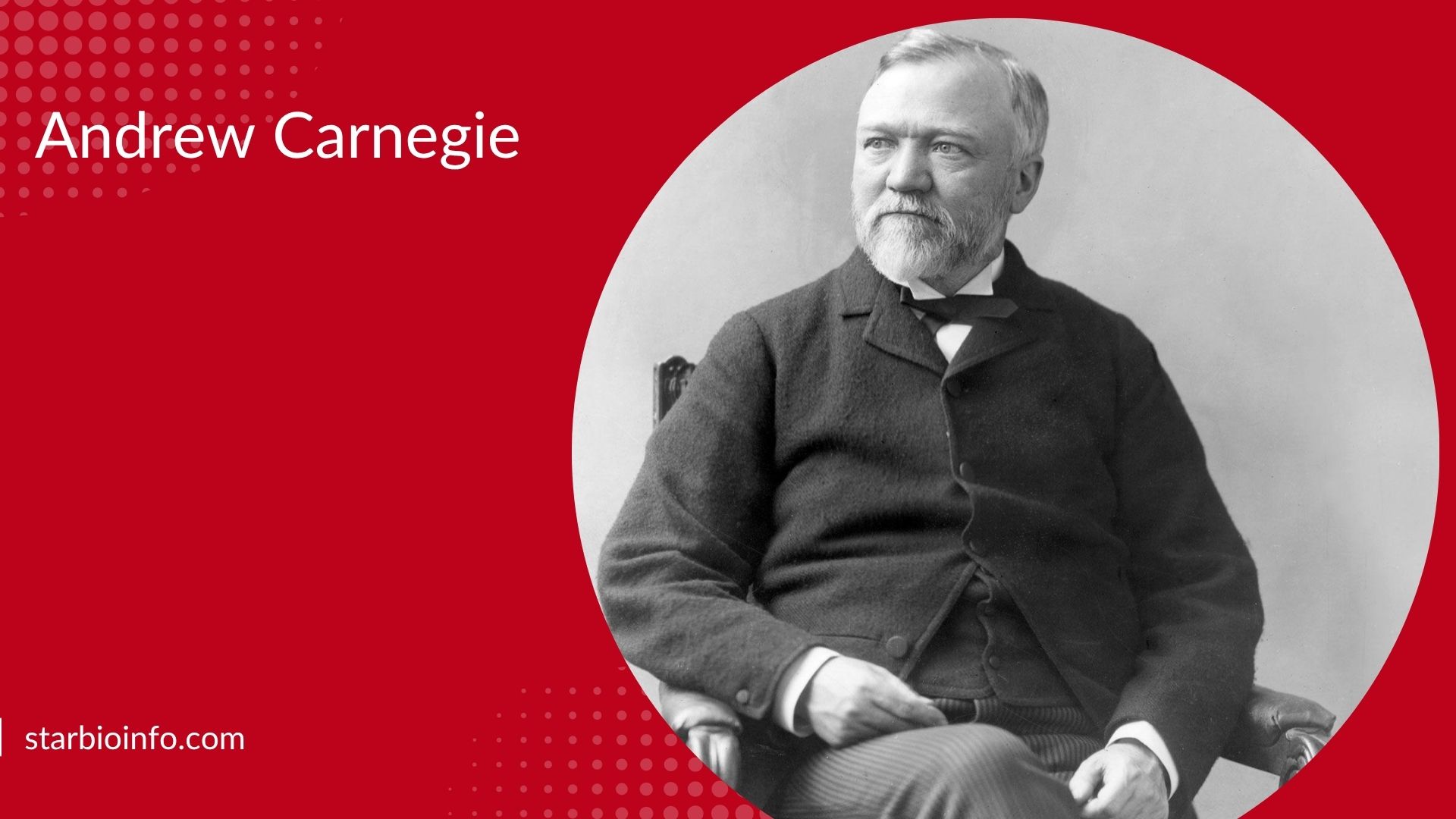
Few names in American history represent success, ambition, and philanthropy as strongly as Andrew Carnegie. Born into a poor family in Scotland, Carnegie arrived in the United States with little money but enormous determination. Through hard work, smart business decisions, and a vision for the future, he became one of the richest men in the world.
Yet Andrew Carnegie’s story is not just about wealth. It is also about giving back. After building a steel empire that transformed America’s economy, he devoted much of his fortune to education, libraries, and charitable causes. His belief that the wealthy should use their money to improve society continues to influence philanthropists today.
Quick Facts About Andrew Carnegie
| Detail | Information |
|---|---|
| Full Name | Andrew Carnegie |
| Born | November 25, 1835 |
| Birthplace | Dunfermline, Scotland |
| Nationality | Scottish-American |
| Profession | Industrialist, Businessman, Philanthropist |
| Famous For | Carnegie Steel Company |
| Net Worth (Historical) | One of the richest people in history |
| Died | August 11, 1919 |
| Age at Death | 83 Years |
From Poverty to Opportunity
Andrew Carnegie’s early life was far from luxurious. His family struggled financially in Scotland during a period of economic hardship.
In search of a better future, the Carnegie family immigrated to the United States in 1848. They settled in Pennsylvania, where young Andrew began working at an early age to help support the family.
Despite difficult circumstances, Carnegie never stopped learning. He educated himself through books and developed a strong understanding of business and industry.
These early experiences shaped the mindset that would later make him one of America’s most successful entrepreneurs.
Building a Business Empire
Carnegie started his career as a telegraph messenger and later worked for the railroad industry. He quickly gained valuable business knowledge and recognized opportunities where others saw obstacles.
By investing wisely and understanding the importance of innovation, he expanded his interests into iron and steel production.
As America entered a period of rapid industrial growth, Carnegie positioned himself at the center of one of the country’s most important industries.
His company eventually became the largest steel producer in the world.
The Rise of Carnegie Steel
The steel industry played a crucial role in building modern America.
Railroads, bridges, factories, and skyscrapers all required steel, and Carnegie recognized the growing demand.
By adopting efficient production methods and focusing on large-scale manufacturing, Carnegie Steel gained a competitive advantage over its rivals.
The company’s success generated enormous profits and helped fuel America’s industrial expansion during the late nineteenth century.
Becoming One of the Richest Men in History
Andrew Carnegie’s wealth grew rapidly as his steel empire expanded.
When he sold Carnegie Steel in 1901, the deal was one of the largest business transactions of its time.
The sale made Carnegie one of the wealthiest individuals ever to live.
However, unlike many business leaders, he believed that accumulating wealth was only part of a person’s responsibility.
The Philosophy of Giving Back
Carnegie believed that wealthy individuals should use their resources to benefit society.
He famously argued that excessive wealth should not simply be passed on to future generations but should instead be used to improve communities and create opportunities for others.
This philosophy became known as the “Gospel of Wealth.”
His ideas transformed the way many people viewed philanthropy and charitable giving.
Libraries That Changed Lives
One of Andrew Carnegie’s most significant contributions was his support for public libraries.
Carnegie’s Library Legacy
| Achievement | Impact |
| Public Libraries | Thousands Built Worldwide |
| Educational Support | Expanded Access to Learning |
| Community Development | Encouraged Literacy |
| Cultural Growth | Improved Public Resources |
Carnegie funded more than 2,500 libraries around the world, giving millions of people access to books and education.
His library program remains one of the largest philanthropic projects in history.
Contributions to Education
Carnegie believed education was the key to personal and social progress.
He donated millions of dollars to schools, universities, and educational institutions.
Many organizations and foundations created with his support continue operating today.
His investments helped students, researchers, and educators pursue opportunities that might otherwise have been impossible.
Andrew Carnegie’s Lasting Legacy
Andrew Carnegie’s influence extends far beyond the business world.
His achievements include:
- Building one of the world’s largest steel companies
- Supporting public education
- Funding libraries globally
- Encouraging philanthropy
- Inspiring future business leaders
His name remains associated with success, innovation, and generosity.
Interesting Facts About Andrew Carnegie
Did You Know?
- Carnegie immigrated to America as a teenager.
- He started working at a very young age.
- He became one of the richest people in history.
- He funded thousands of public libraries.
- Most of his fortune was donated to charitable causes.
Conclusion
Andrew Carnegie’s journey from a poor immigrant to one of the world’s wealthiest businessmen is one of the most inspiring success stories in history.
While his achievements in industry transformed America, his greatest legacy may be his commitment to education and philanthropy. Through libraries, schools, and charitable foundations, Carnegie used his wealth to create opportunities for future generations.
More than a century after his death, Andrew Carnegie continues to be remembered not only as a business titan but also as a man who believed that success carries a responsibility to help others.
FAQs
Who was Andrew Carnegie?
Andrew Carnegie was a Scottish-American industrialist, businessman, and philanthropist who built a steel empire and became one of the richest people in history.
Why is Andrew Carnegie famous?
He is famous for founding Carnegie Steel and for donating much of his fortune to libraries, education, and charitable causes.
What was Andrew Carnegie’s philosophy?
Carnegie believed wealthy people should use their money to improve society, a concept known as the “Gospel of Wealth.”
How many libraries did Andrew Carnegie fund?
He helped fund more than 2,500 libraries worldwide.
What is Andrew Carnegie’s legacy?
His legacy includes industrial innovation, educational support, philanthropy, and the promotion of public libraries.